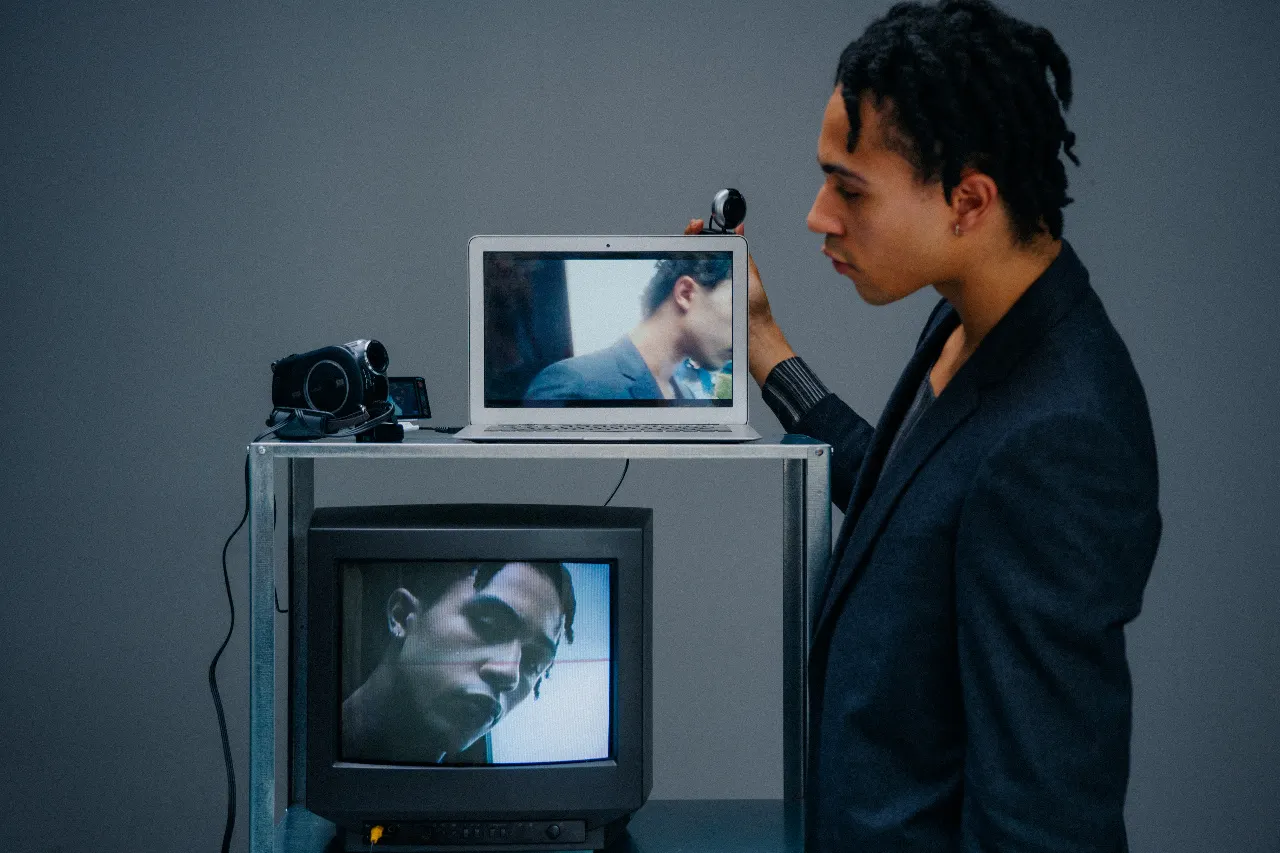
Observation is one of five sources contributing to the knowledge base that reveals the consumer dynamics worth investigating.
What someone does is an unspoken form of communication, but it does not necessarily explain why they are doing it. Understanding consumer behavior starts with knowing what observation can and cannot tell you.
By dimensionalizing that behavior and examining it from multiple perspectives, product development teams can identify the underlying drivers that become a value-add for strategic decision-making.
Behavior Feels Like Evidence but It is Only the Beginning
Observing how consumers shop, use a product, or respond to sensory cues feels like evidence, but watching is simply noticing behavior.
Most people do not just observe. They begin interpreting almost immediately, allowing assumptions to emerge before the consumer is actually understood. This is not limited to research. It’s a part of human behavior, especially when people are too close to the subject. Product development teams are also susceptible to the same reflex.
Understanding consumers requires remaining uncommitted long enough to see what the behavior may actually be revealing. The best observers are not passive.
They’re actively withholding conclusions.
The First Explanation is Not Always the Right One
Consumer contradictions may not be contradictions at all. They’re often evidence of competing pressures.
- A consumer may want clinical credibility and emotional pleasure.
- They may want efficacy and ease.
- They may want transformation without the risk of waiting for results.
If teams conclude too quickly, they can identify a real behavior but misread the drivers behind it. Once that premature interpretation becomes the conclusion, everything downstream becomes vulnerable.
- The Concept
- The Claim
- The Product Format
- The Usage Instructions
- The Interpretation of Test Results
- The Marketing Messaging
The team may be solving a real problem, but not the problem the consumer was actually managing.
Empathy Keeps the Consumer’s Reality Intact
Understanding consumers does not mean identifying with them. It means getting close enough to understand what drives them while staying detached enough not to distort the observation.
This is where empathy is often misunderstood.
Empathy is resonance without projection. Feeling something similar does not mean your context explains theirs. You do not have to experience the exact same situation to understand the emotional driver underneath it.
Understanding consumers requires closeness and restraint. The observer has to get close enough to recognize the emotional and functional drivers but remain detached enough not to force the behavior into a conclusion too early.
That restraint allows the consumer’s reality to stay intact long enough to be understood.
People Express the Same Drivers Differently
Consumers are not monoliths.
Psychographic, demographic, generational, and worldview differences all affect how behavior appears. That same behavior can mean something different depending on who is using the product, where it is being used, and what social or emotional role it plays.
- One consumer may describe a behavior as self-care.
- Another may describe it as maintenance.
- Another may not describe it at all.
The product may be serving a similar emotional or functional role. However, the team has to see the universal truth without flattening the consumer into a stereotype based on behavior. Universal truth is the recurring driver expressed through different behaviors.
The most common emotional or functional drivers are:
- Belonging
- Control
- Relief
- Recognition
- Desirability
- Protection
- Transformation
- Ease
- Status
- Permission
These drivers repeat, but how they are expressed changes by person, context, culture, category, and need. Understanding consumers is seeing both at the same time:
The specific consumer context and what may be driving the behavior underneath it.
The Method Cannot Do the Thinking for You
Observation through ethnography, interviews, and social listening can all provide value. However, methodologies cannot compensate for an observer who needs the consumer to confirm their story too early.
If teams are only observing consumers, it’s easy to categorize behaviors:
- Consumers are skipping steps.
- Consumers are mixing products.
- Consumers are buying dupes.
- Consumers say they want science but respond to aesthetics.
- Consumers complain about price but still pay for certain cues.
- Consumers follow routines inconsistently.
Those observations may be useful, but they are not enough. Understanding begins when the team asks better questions:
- What contradiction is this behavior managing?
- What tradeoff is the consumer trying to make?
- What does this workaround reveal that the category has not addressed?
- What does the consumer need to feel before the product becomes believable?
- What is the difference between what they say, what they do, and what they are protecting?
That’s the difference between observing consumers and understanding them. Observing notes the behavior while understanding investigates what may be driving it.
The Business Risk of Misreading People
Misreading consumers isn’t just an observation problem. It becomes a product development problem.
When teams turn their first interpretation into a conclusion, they can build against the wrong problem. The goal is to understand what about the behavior is worth investigating.
Dimensionalizing what was observed helps identify the underlying drivers that can provide directional guidance for product development decisions.
—by THE BUILD BRIEF